BrassSmile
A healthy smile supports comfort, confidence, clear speech, and easy eating. Modern dentistry combines preventive care, restorative treatment, cosmetic improvement, and digital planning. BrassSmile represents this modern approach by focusing on smile improvement, oral health services, and advanced treatment options.
Dental care should never focus only on appearance. A beautiful smile also depends on healthy teeth, strong gums, proper bite balance, and good daily habits. This guide explains how modern dental services can protect oral health while helping people feel more confident.
What Is BrassSmile?
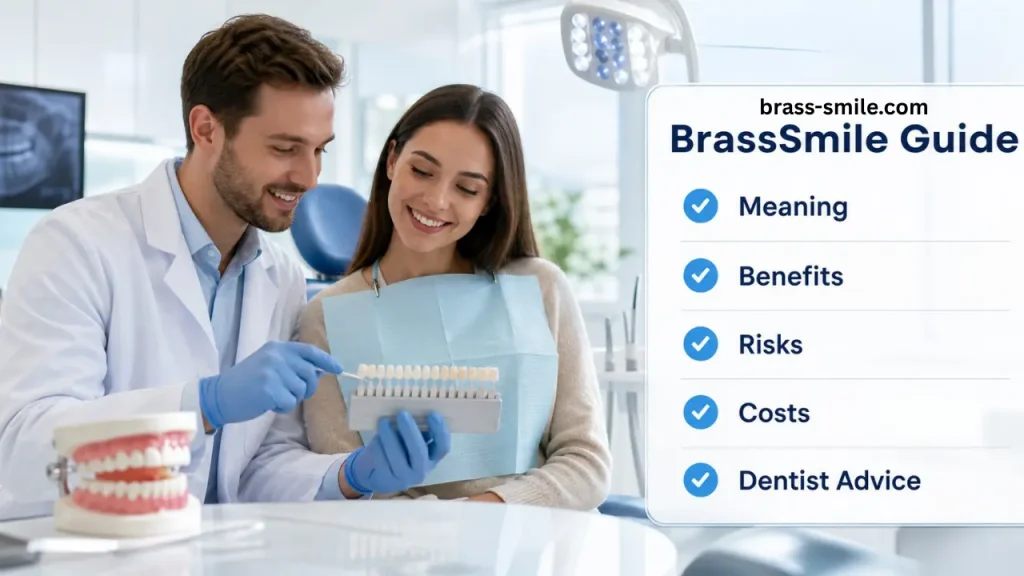
BrassSmile is a dental-focused platform built around education, modern care, and smile improvement. It can help readers understand dental concerns, available treatments, preventive steps, and useful questions to ask before choosing a procedure.
Many people hear terms such as veneers, implants, aligners, crowns, bonding, and whitening without knowing how they differ. Clear information helps patients prepare for a professional consultation, but it cannot replace a dentist’s examination or personal advice.
Why Oral Health Deserves Daily Attention
Oral health affects more than the look of the teeth. Dental pain, decay, gum problems, missing teeth, or an uneven bite can affect eating, speaking, sleep, and daily comfort. The American Dental Association recognizes important links between oral and overall health and notes that early diagnosis and suitable care matter.
Daily care creates the foundation for a healthy mouth. The ADA recommends brushing with fluoride toothpaste, cleaning between the teeth, eating a balanced diet, and visiting a dentist according to personal needs. A dentist may adjust this advice based on age, medicines, disease risk, and current oral health.
Main Areas of Modern Dental Care
Modern dental care includes several connected areas. Preventive dentistry reduces disease risk, restorative dentistry repairs damage, cosmetic dentistry improves visible features, and orthodontics changes tooth position or bite alignment.
A patient may need care from more than one area. A dentist may first treat decay or gum disease before starting whitening, veneers, aligners, or another appearance-based procedure. This order helps create a healthier and more stable result.
| Area | Main purpose | Common examples |
|---|---|---|
| Preventive care | Protect teeth and gums | Exams, cleanings, fluoride, sealants |
| Restorative care | Repair or replace teeth | Fillings, crowns, bridges, implants |
| Cosmetic care | Improve appearance | Whitening, bonding, and veneers |
| Orthodontic care | Improve alignment | Braces and clear aligners |
| Gum care | Protect supporting tissues | Deep cleaning and periodontal care |
| Emergency care | Control urgent problems | Care for pain, infection, or injury |
BrassSmile Preventive Dentistry
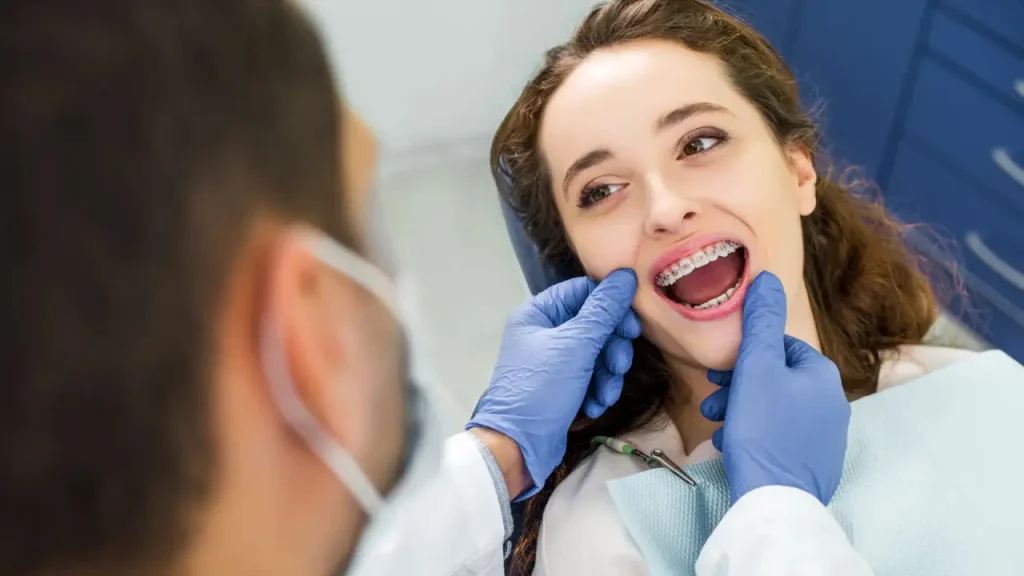
Prevention often requires less time and discomfort than complex repair. Routine examinations allow a dental professional to check the teeth, gums, bite, and previous dental work. The ideal checkup schedule depends on each patient’s needs and risk.
Professional cleaning can remove deposits that brushing may miss. Dentists may also suggest fluoride, sealants, X-rays, or gum care when appropriate. The ADA describes fluoride treatments, dental sealants, and regular periodontal care as important preventive services.
Regular dental visits can also help professionals notice small concerns before they become serious. A patient may not feel pain during the early stage of decay or gum disease. A proper examination allows the dentist to suggest suitable care based on the condition of the mouth.
Cosmetic Dentistry and Smile Improvement
Cosmetic dentistry focuses on the colour, shape, size, position, and balance of the smile. BrassSmile can introduce readers to professional whitening, dental bonding, veneers, tooth-coloured restorations, and complete smile makeovers.
Each option serves a different purpose. Whitening may lighten natural tooth colour, bonding may improve small chips or gaps, and veneers cover the front of selected teeth. Veneers can change visible shape or shade, but they may require the removal of some enamel.
A dentist should examine the mouth before recommending cosmetic work. Untreated decay, gum inflammation, enamel weakness, tooth grinding, or bite problems may affect the result. Patients should discuss expected outcomes, limits, maintenance, cost, and future replacement.
Cosmetic care should improve the smile without damaging healthy tooth structure. A responsible dental professional will explain which changes are realistic. The dentist should also discuss whether a less complex treatment can produce a suitable result.
Professional Teeth Whitening
Teeth may darken because of age, food, drinks, tobacco, medicines, injury, or changes inside the tooth. Whitening can lighten suitable natural teeth, but it does not change the colour of crowns, veneers, fillings, or other restorations. Some types of discolouration may also respond poorly.
Dental whitening may involve custom trays used at home or an in-office procedure. The NHS advises that treatment through a dentist is the safest route because strong whitening materials can harm teeth and gums when used incorrectly.
People should avoid unverified products and harmful do-it-yourself trends. The ADA warns that some social media dental trends can be ineffective or damaging. A professional assessment reduces risk and supports a realistic result.
Some patients may experience temporary sensitivity during or after whitening. A dentist can review the strength of the product, the condition of the enamel, and the health of the gums. The patient should follow all instructions and avoid using the treatment more often than recommended.
Veneers, Bonding, and Smile Design
Dental bonding uses tooth-coloured material to improve small chips, spaces, worn edges, or uneven shapes. It can offer a conservative solution, although bonded material may stain, wear, or chip over time.
Veneers are thin shells placed over the front surfaces of teeth. Porcelain options are usually strong and natural-looking, while composite options may require less enamel removal and can be easier to repair. A dentist must consider enamel, bite forces, gum health, and grinding habits.
Smile design combines facial features, tooth proportions, gum levels, colour, and alignment. Digital photographs or scans may help explain a proposed result. A good plan should protect healthy tooth structure and avoid unnecessary treatment.
Patients should understand that veneers may not last forever. They may require repair or replacement after years of use. Good brushing, careful eating habits, and regular dental visits can help protect both veneers and natural teeth.
Braces and Clear Aligners
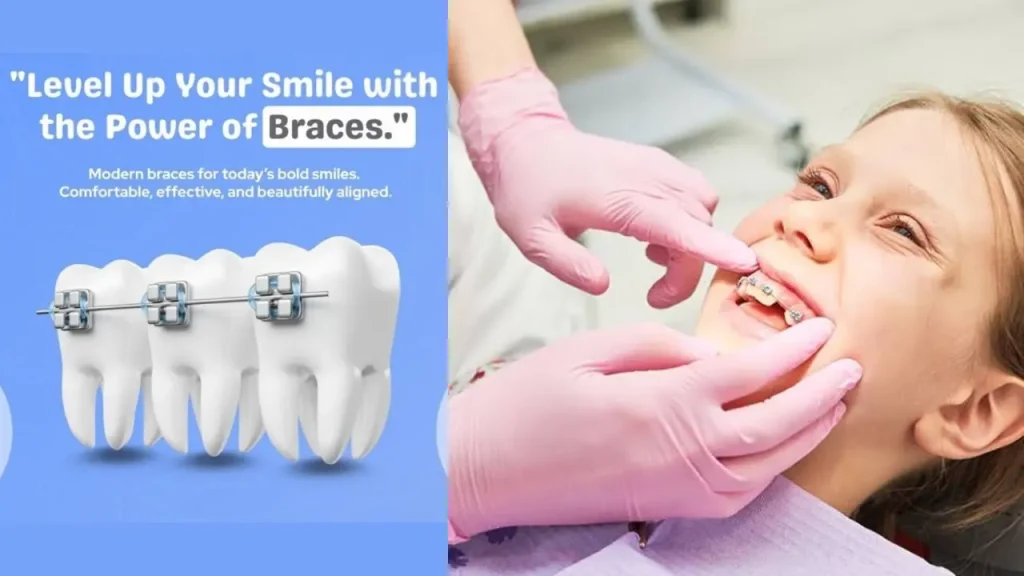
Orthodontic treatment moves teeth into improved positions and may correct certain bite problems. Traditional braces use brackets and wires, while clear aligners use removable trays. The right option depends on the movement required, age, oral health, and patient cooperation.
Clear aligners may suit people who want a less visible option, but patients must wear them as directed. Braces may offer better control in some complex cases. A qualified professional should examine the bite and explain which treatment can achieve the desired change.
At BrassSmile, alignment education can show readers that straighter teeth are not only a cosmetic goal. Better alignment may make cleaning easier in some cases, reduce uneven wear, and improve how the teeth meet. Retainers often help protect the final position.
Orthodontic patients must keep their teeth and gums clean throughout treatment. Food and plaque can collect around braces, while aligners require proper cleaning. Patients should follow the instructions provided by their dentist or orthodontist.
BrassSmile Treatments for Damaged Teeth
Restorative dentistry rebuilds teeth affected by decay, fractures, wear, infection, or previous treatment. Common options include fillings, crowns, root canal treatment, bridges, dentures, and implants. NHS guidance lists these among established dental treatments.
A filling repairs a smaller area of damage, while a crown covers more of a weakened tooth. A crown may also improve the shape of a badly formed or discoloured tooth and can cover a dental implant.
Root canal treatment may help save a tooth when infection or inflammation affects the inner pulp. The final recommendation depends on the tooth’s condition, supporting bone, gum health, and long-term outlook.
Restorative treatments aim to return strength and function to the mouth. The dentist should preserve as much healthy tooth structure as possible. Patients should report pain, sensitivity, cracks, or loose dental work before the problem becomes more difficult to treat.
BrassSmile Implants and Missing Teeth
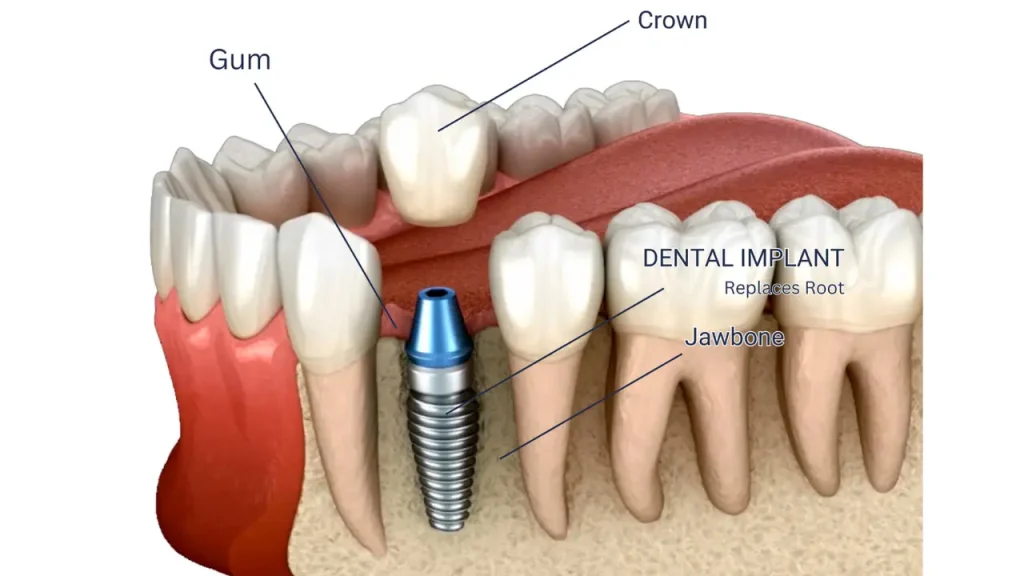
Missing teeth can affect appearance, chewing, speech, tooth movement, and confidence. Dental implants act as artificial roots placed in the jawbone and may support a crown, bridge, or denture. Bridges and removable dentures provide other replacement choices.
Implant treatment requires careful assessment. The dental team may review gum health, available bone, medical history, smoking, medicines, bite forces, and home-care habits. Some patients need extra procedures before implant placement.
BrassSmile should present implants as one possible solution rather than a guaranteed choice. Patients need a clear explanation of benefits, risks, treatment stages, maintenance, total cost, and alternatives. Regular professional care remains important after treatment.
Implants still require brushing and cleaning around the supporting restoration. They cannot develop normal tooth decay, but the gums and bone around them can develop problems. Patients should follow a personal maintenance plan provided by their dental team.
Gum Health and Modern Dental Technology
Healthy gums frame the teeth and provide essential support. Bleeding, swelling, bad breath, tenderness, or gum recession may signal a problem that needs attention. Dentists often stabilize gum health before placing veneers, crowns, implants, or starting certain orthodontic plans.
Modern practices may use digital X-rays, intraoral cameras, three-dimensional scans, digital impressions, and treatment simulations. These tools can improve assessment and communication, but they do not replace clinical skill or a complete examination.
The best technology improves diagnosis, planning, safety, comfort, or communication. Clinics should not recommend treatment only because equipment looks advanced. Evidence, professional judgment, and patient needs must guide every plan.
Digital images can also help patients understand their dental concerns. A dentist may use a screen to show worn enamel, damaged fillings, tooth position, or areas that require care. Clear communication helps patients take part in decisions.
Choosing the Right Treatment
A treatment that suits one person may not suit another. Patients should consider oral health, goals, budget, available time, medical history, maintenance, and expected lifespan. Cosmetic work may also require repair or replacement later.
Before agreeing to care, ask the dentist to explain the diagnosis, options, benefits, risks, likely outcome, cost, and aftercare. NHS guidance states that patients should receive information about the risks, benefits, and likely result before treatment.
A reliable dentist should welcome reasonable questions. Patients should not feel pressured to accept immediate cosmetic treatment without understanding the plan. Seeking another professional opinion may help when the treatment is expensive, complex, or permanent.
| Question to ask | Why it matters |
|---|---|
| Why do I need this treatment? | Confirms the diagnosis and goal |
| Are there simpler alternatives? | Helps avoid unnecessary care |
| What risks may occur? | Supports informed consent |
| How long may the result last? | Sets realistic expectations |
| What aftercare will I need? | Protects the result |
| What is the full cost? | Prevents financial surprises |
Daily Habits That Protect Results
Professional treatment works best when patients protect it at home. Brush twice daily with fluoride toothpaste, clean between the teeth, and follow special advice for braces, implants, bridges, or gum disease. Limit frequent sugary snacks and drinks.
Do not use teeth to open packages or bite hard objects. Wear a mouthguard during contact sports and discuss a night guard if grinding causes damage. Contact a dentist when pain, swelling, bleeding, a loose restoration, or a broken tooth appears.
Regular review visits also matter. Dentists can check whether restorations remain sound and gums stay healthy. Small problems are often easier to manage when a professional finds them early.
Patients should also replace worn oral-care products and keep dental appliances clean. Clear aligners, retainers, dentures, and mouthguards need proper care. The dental team can explain which products and cleaning methods suit each appliance.
Frequently Asked Questions
Does Cosmetic Dentistry Improve Oral Health?
Some cosmetic treatments may also support function, but the main goal often involves appearance. A dentist should treat active disease before starting elective cosmetic work.
Is Professional Whitening Safe?
Dentist-supervised whitening is generally the safer approach. A dental examination can identify problems and confirm whether whitening may work for the patient’s type of discolouration.
Are Clear Aligners Suitable for Everyone?
No. Clear aligners can treat many alignment concerns, but some cases may require braces or another plan. A professional bite assessment determines suitability.
How Long Do Dental Treatments Last?
The lifespan varies by treatment, material, bite, oral hygiene, habits, and regular care. No responsible clinic should promise that every restoration will last forever.
Can Online Information Replace a Dental Visit?
No. Educational content can explain options and help patients prepare questions, but only a qualified professional can examine the mouth and create a personal plan.
Conclusion
BrassSmile reflects a patient-focused vision of modern dentistry that connects smile confidence with strong oral health. By explaining preventive care, cosmetic services, restorative options, orthodontics, implants, gum care, and dental technology, the platform can help readers approach treatment with better knowledge.
The best smile improvement begins with an accurate diagnosis and realistic goals. Patients should choose qualified professionals, ask clear questions, understand risks, and protect results through good daily care. With trustworthy education and responsible guidance, the platform can become a useful resource for people seeking healthier teeth and a more confident smile.